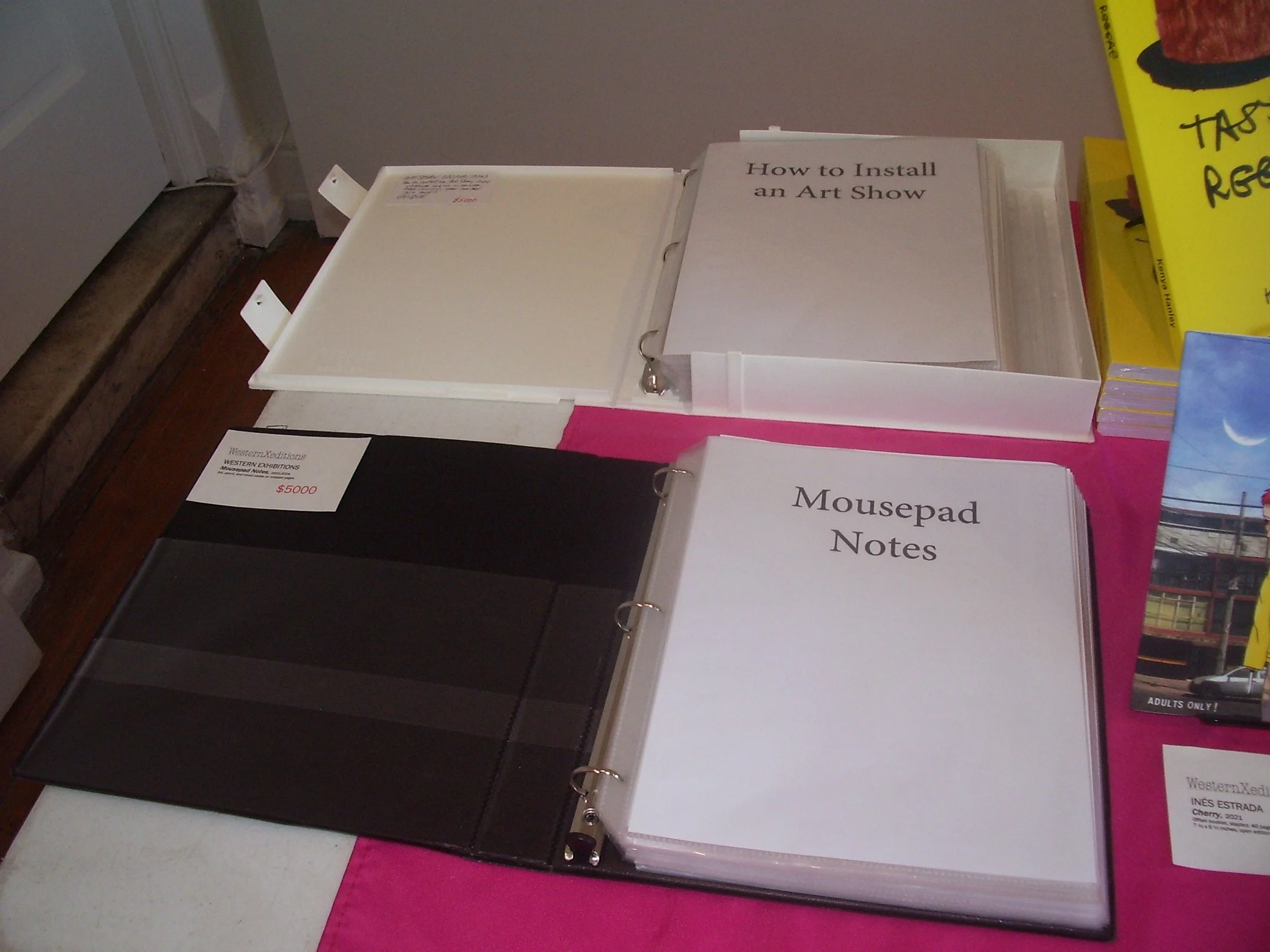
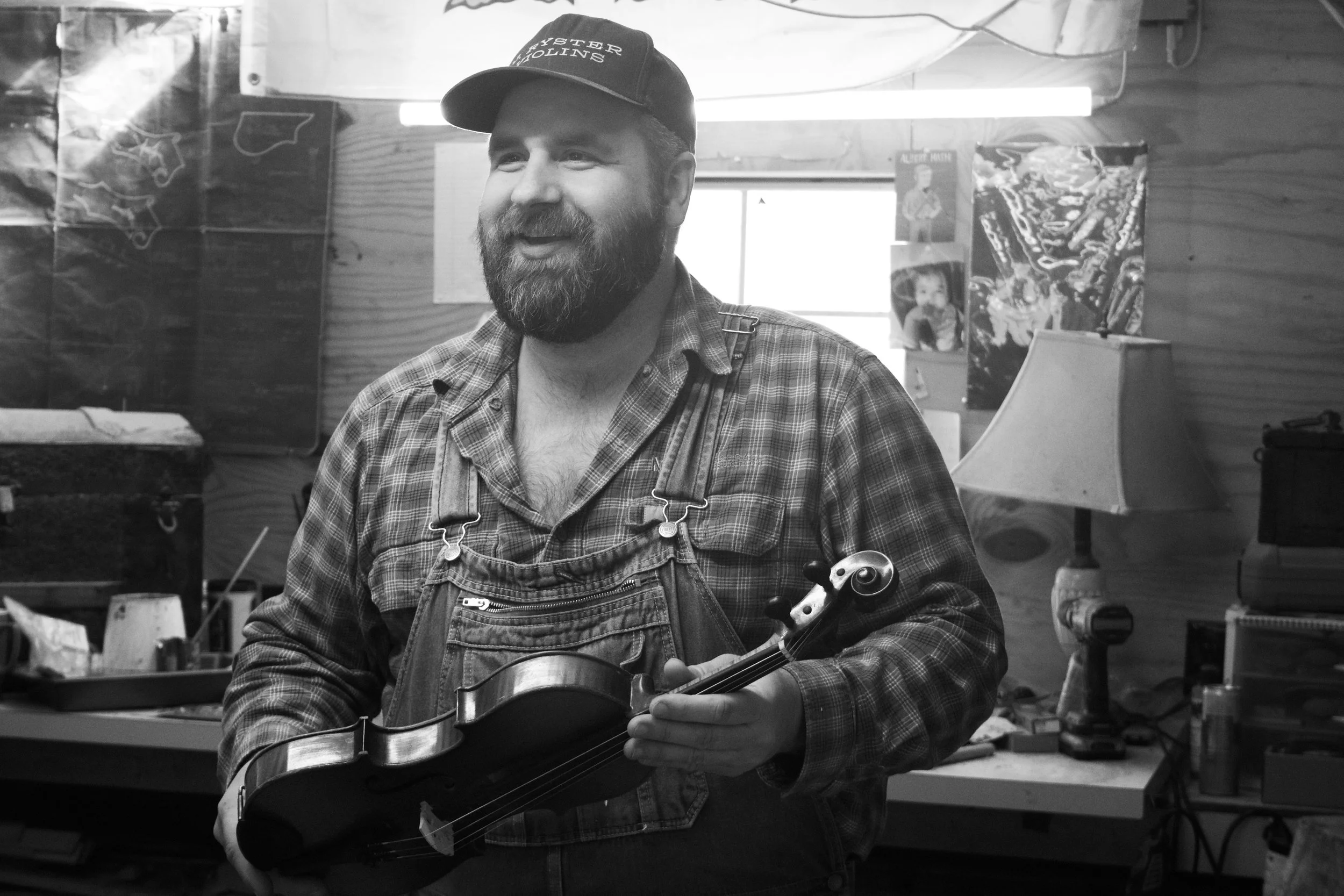
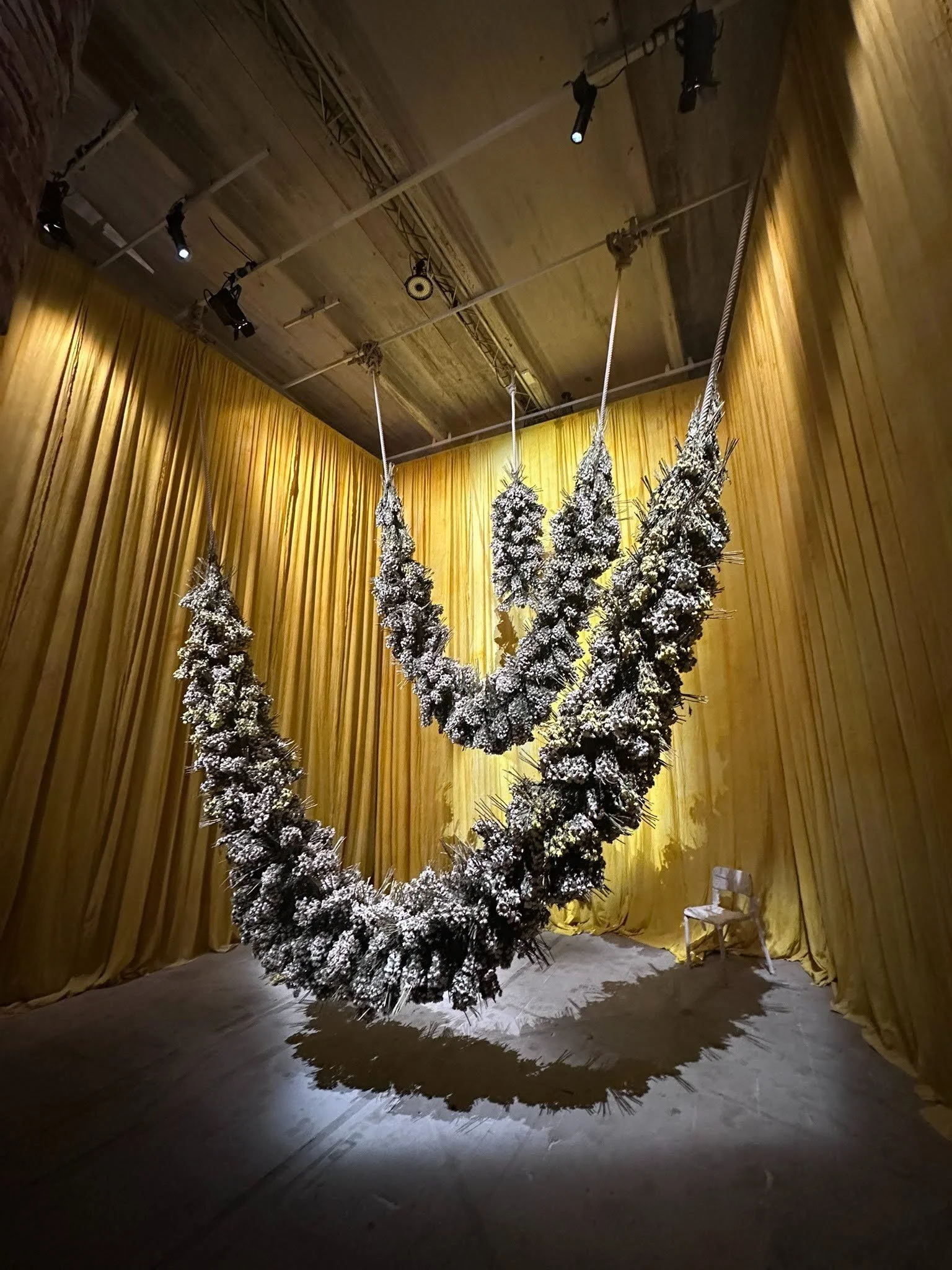
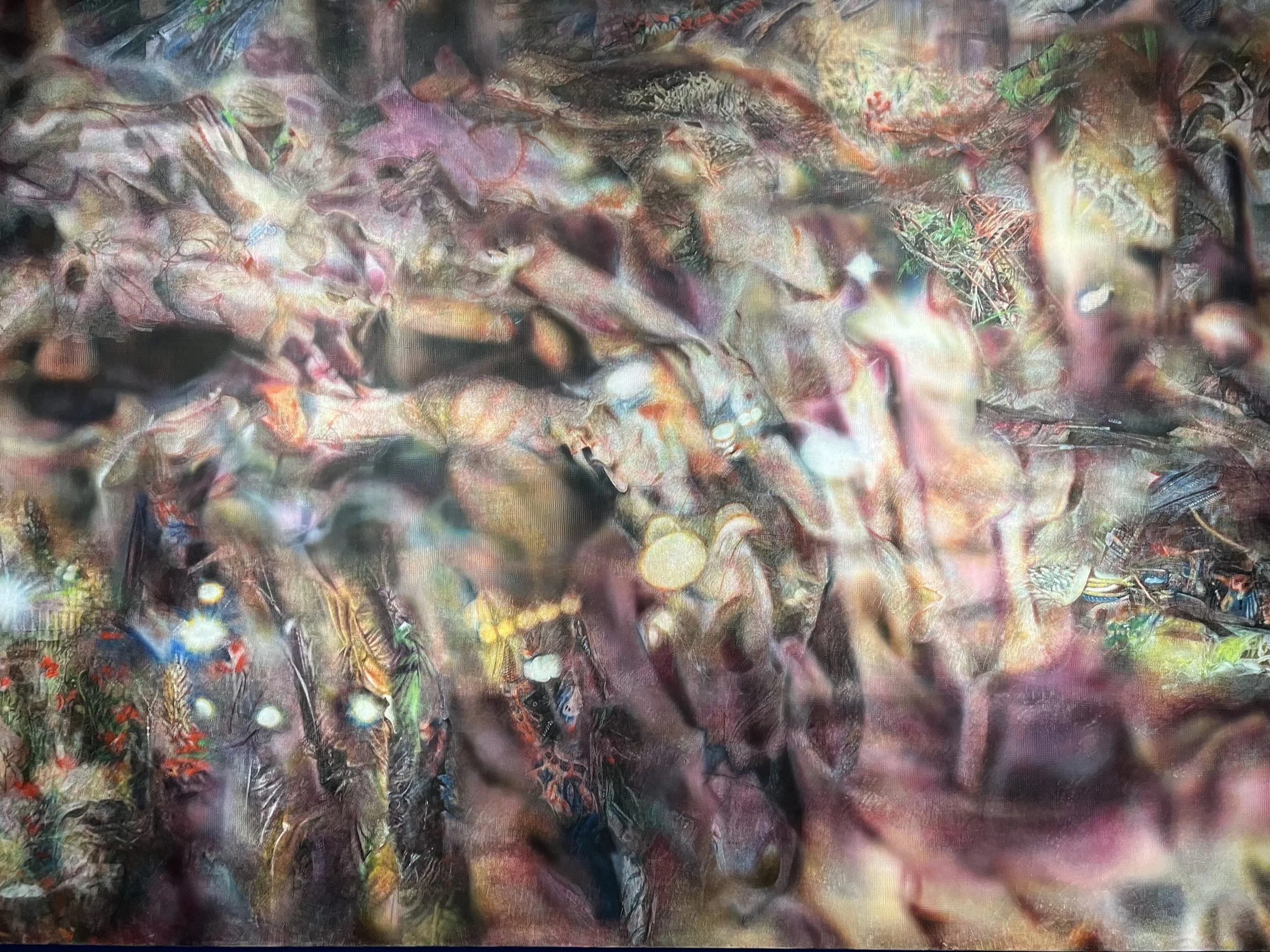
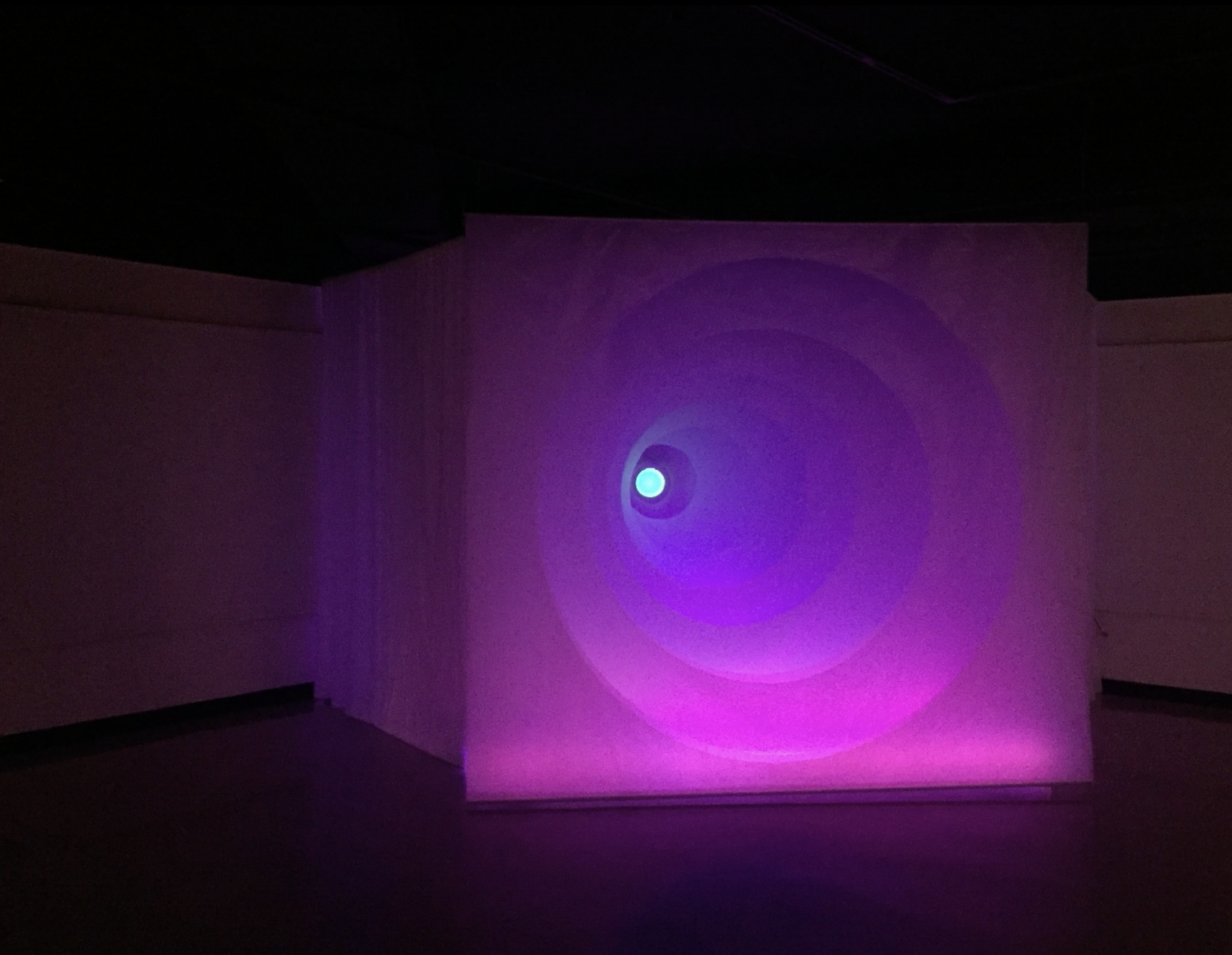
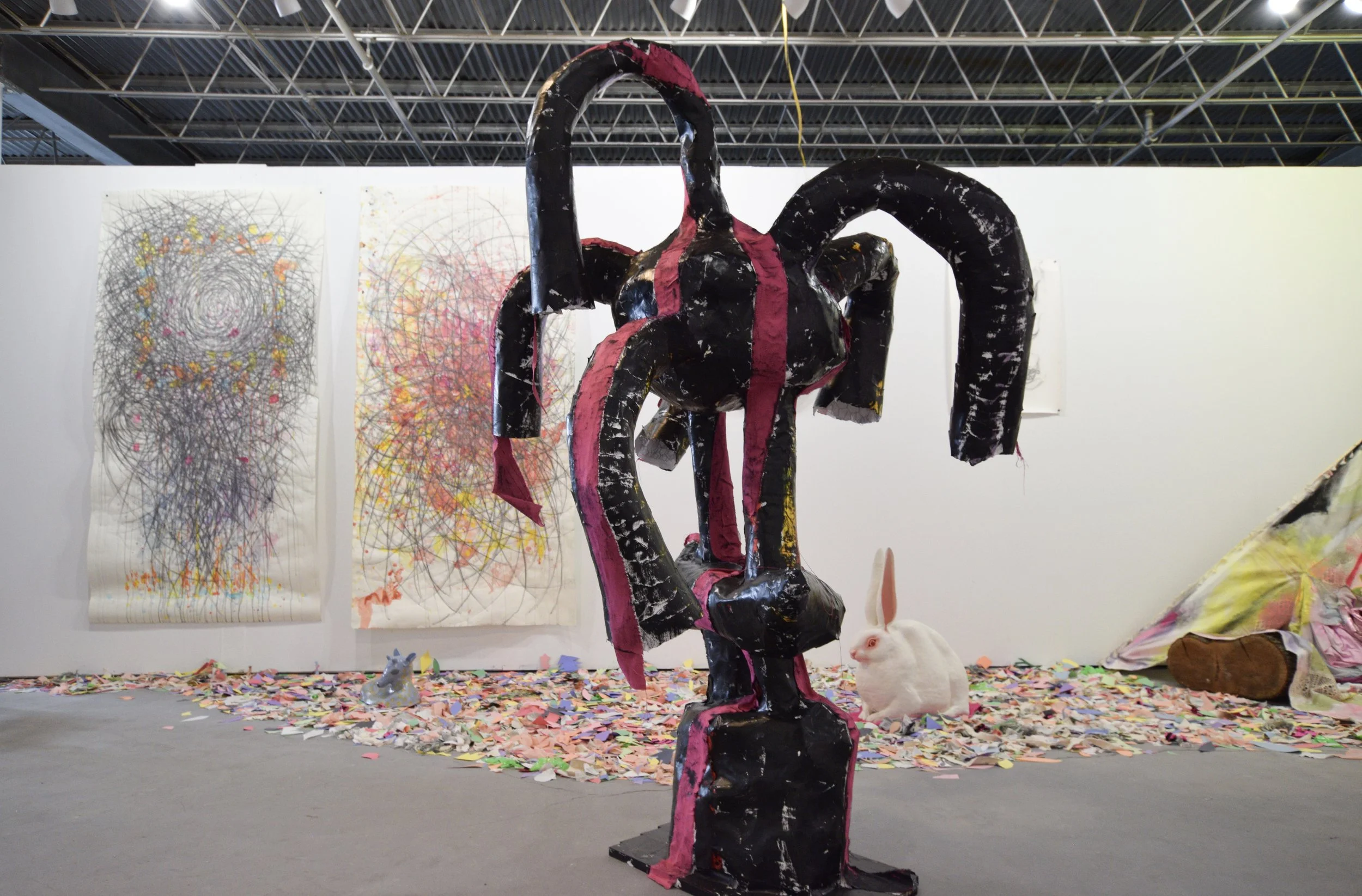
I have become more attentive to the pace at which artworks unfold. I remain aesthetically attracted to work that would translate well on a Xerox machine, but I’m more interested in spending time with images, objects, and sounds that reveal themselves slowly. Art that sustains my attention often has a drone about it and seems comfortable steeping in grief.
“I would trouble the idea that artists need institutions. I think it’s the other way around. I think institutions need artists. They don’t have anything without us,” she said to a rousing cheer from the audience.
The Black aesthetic is bought, sold, traded, and disregarded like a commodity. It feels like everyone else is profiting from our culture except us. “Drifting on a Memory” is a celebration of our collective expression despite attempts to silence, isolate, destroy, and re-tell our stories.
What role remains for the wild-hearted artist in a world that may no longer have any use for them?
But to truly rely on [museums] to build systems that benefit us would be much like asking questions posed in this tweet: Is Mastercard a queer ally? Is [insert corporation] my friend? Is the Speed Art Museum a feminist?
HOME FOR CRITICAL & ACCESSIBLE CONVER- SATIONS ON ART IN KENTUCKY.
( ' ) ) ^v^ _ (`) _ (__)_) ,-- j j ------- , (__)_) / _.-.___.-.__/ \ ,8| [_] ,-. [_] | oOo ,,,oO8|_o8_|_|_8o_|&888o,,,

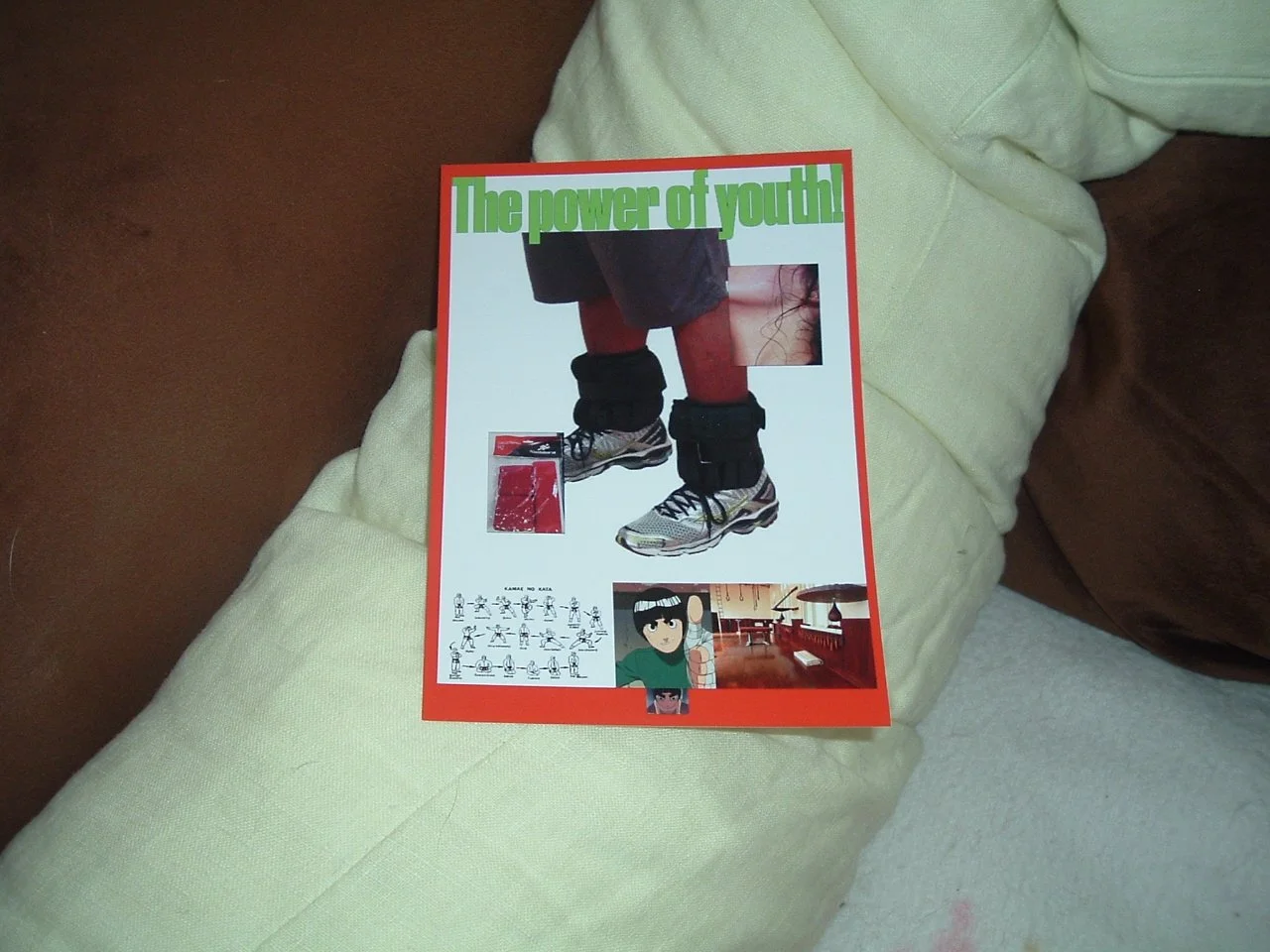
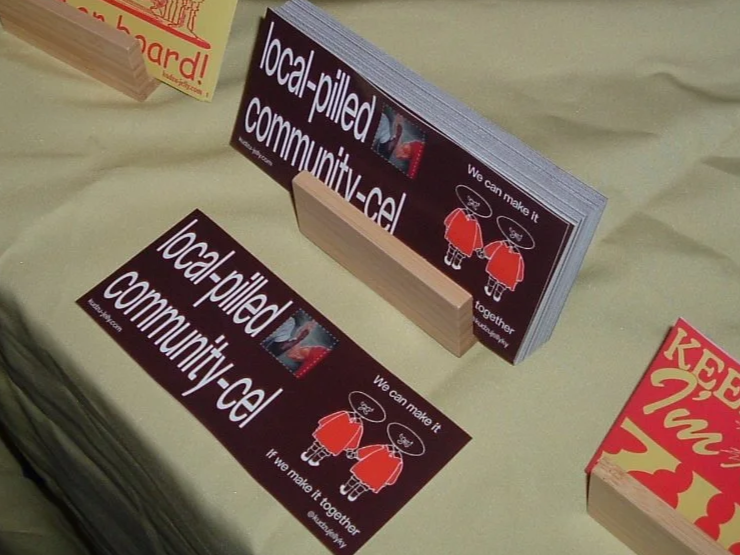
After Precarity extends and pushes the conversation on art made from or inspired by commercially manufactured goods, or art in the age of the anthropocene, from the present moment into the future, while drawing on the past.